

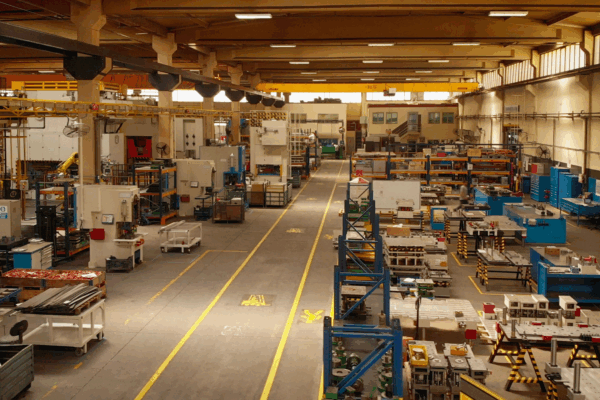
Every production cycle generates waste—scrap metal, offcuts, used fluids, and discarded packaging. Without a plan, these materials become a costly burden. With a structured approach, they can become a source of savings and operational efficiency.
Effective manufacturing plant recycling starts with understanding how and where waste is generated inside your facility. A process-aligned strategy ensures recycling efforts match daily workflows—boosting recovery rates, reducing hauling costs, and easing material handling across departments. And while internal effort is essential, working with a knowledgeable recycling partner ensures your systems are efficient, compliant, and aligned with market demand.
The Challenge: Production Waste vs. Municipal Mindset
Recycling strategies borrowed from office settings—like breakroom bins and hallway signage—don’t translate well to production floors. Manufacturing facilities deal with a different reality:
- Waste streams are often mixed, contaminated, or embedded in operations (e.g., cutting oil, coated materials, trim scrap)
- Recycling must not interfere with throughput, safety, or quality
- Cost control is critical, and recycling efforts must deliver measurable returns
- Space on the floor is limited, and recycling equipment can’t disrupt workflow
- Markets for recycled materials are unpredictable, which can make program planning difficult
An effective manufacturing plant recycling program must reflect the logic of production—not general recycling principles.
A Production-Aligned Framework for Recycling
Here’s a practical framework to align recycling with your facility’s manufacturing process:
1. Map Waste Flows Along the Value Chain
Start at the source. Identify where waste is generated—material intake, machining, finishing, packaging. Use a waste audit to document types, volumes, and contamination risks.
Segment materials into clear streams: metals, plastics, fibers, fluids, and composites. This gives you a map for recovery opportunities. A professional recycling partner can assist with these initial audits, helping identify overlooked streams and providing benchmarking data to set realistic goals.
2. Segment and Segregate at the Point of Generation
Valuable material is often wasted due to poor bin placement or cross-contamination. Solve that early:
- Place labeled bins at workstations—keep it simple and close to the source
- Use chutes, color coding, or mobile carts to encourage consistent sorting
- Maintain buffer zones between incompatible materials
Clean, well-segregated streams command better value and reduce downstream handling. When space is tight, look for mobile or stackable collection systems that integrate with your existing floor layout. Your recycling provider can help specify collection equipment and recommend layouts based on your facility’s process flow.
3. Integrate In-Line Handling or Pre-Treatment
Don’t let recyclable material become a logistics headache. Integrate handling solutions into your layout. For example:
- Shred plastic trim as it’s generated
- Dewater sludges near machining cells
- Use magnetic separation on metal turnings inline
- Skim fluids at the point of use, not at the dumpster
These adjustments reduce material handling time, improve quality, and prevent contamination. Start small and scale as savings allow—capital investment doesn’t have to be all-or-nothing. Some recyclers offer rental equipment, servicing, or volume-based pricing models that help offset initial cost.
4. Channel to the Appropriate Recycling or Reuse Path
Once materials are sorted and prepped, the next step is deciding where they go. Some waste streams—like clean metal chips or uncontaminated plastic trim—can often be reused internally, reducing the need to buy new raw materials. Others may need to be sent off-site for recycling or energy recovery.
This is where your recycling partner becomes critical. A qualified service provider can help identify viable end-markets, recommend packaging and storage solutions, and manage compliance with local and state regulations. They can also provide equipment, set up training for your staff, and offer reporting tools that track recovery rates and contamination trends. If you’re working with a recycler, be clear about quality requirements to avoid rejected loads or additional fees. Reliable partners will work with you to lock in pricing, arrange pickups, and optimize routes based on your production schedule.
By collaborating closely with a recycling service, you can turn your in-house sorting efforts into a streamlined, value-generating process.
5. Embed Measurement, Feedback, and Iteration
Track what matters:
- Tons diverted per stream or shift
- Rejection or contamination rates
- Hauling cost reductions and revenue from recovered materials
Report results to operations staff. Small adjustments—like changing bin placement or retraining a crew—often lead to measurable improvements. Many recycling vendors provide tracking dashboards or regular summary reports that make performance metrics easier to share with your team.
6. Engage Operators, Maintenance, and Supply Chain
We’ve seen recycling efforts stall when they’re siloed. Instead, bring every function into the process:
- Operators: Train for clean sorting and emphasize why it matters
- Maintenance: Keep bins, shredders, and conveyors in working order
- Supply chain: As much as possible, avoid materials that are hard to recycle or costly to handle
- Leadership: Share results and celebrate progress
Your recycling provider can support these efforts by offering staff training, signage, and communication materials that reinforce program goals.
In Conclusion
Whether you’re starting fresh or refining an existing program, a process-aligned recycling strategy helps you cut waste, control costs, and keep operations running efficiently. We partner with manufacturing facilities across Massachusetts to deliver programs that match your workflow and material streams.
Contact us to schedule a facility audit or program review. Let’s build a system that works on your floor, not just on paper.