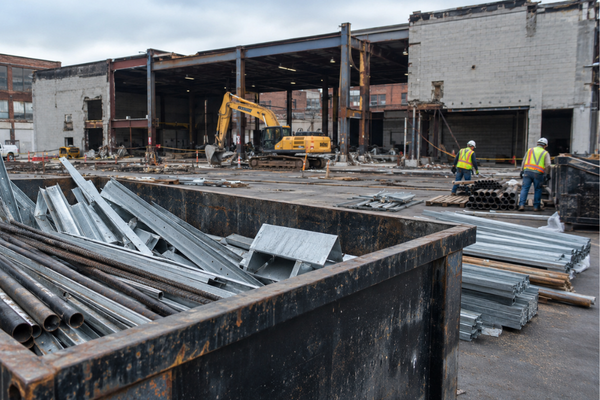
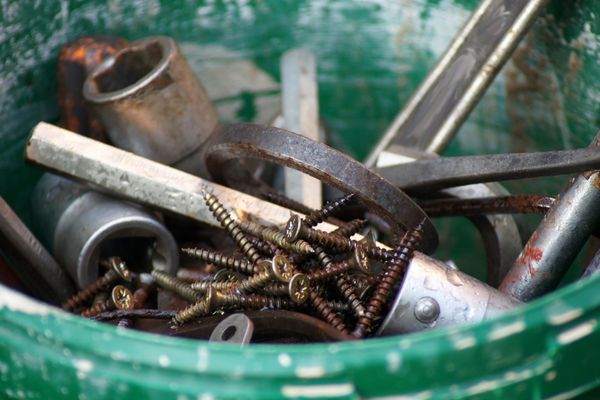
Construction and redevelopment projects produce metal in predictable places: demolition, structural changes, MEP work, tenant fit-outs, equipment removal, and final cleanouts. When that material is not planned for, it gets mixed into general debris, takes up container space, and becomes harder to document. This C&D scrap metal recycling for developers guide gives project teams a...Continue Reading
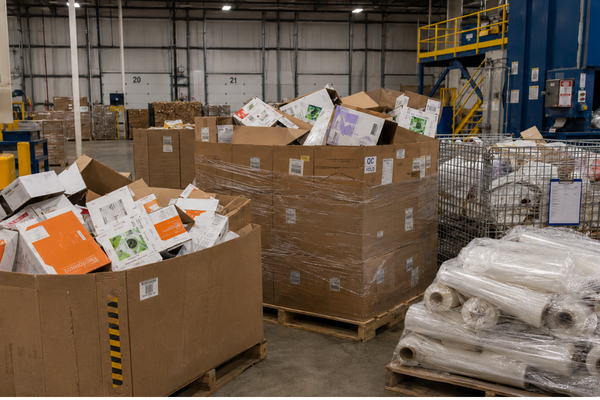
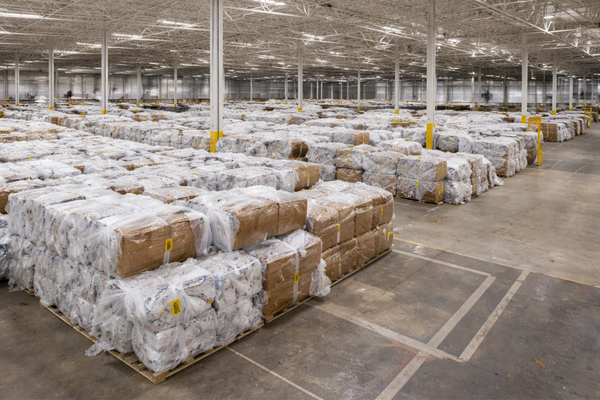
Off-spec packaging materials are a routine problem in manufacturing plants, co-packing operations, warehouses, and distribution centers. A rejected pallet of printed cartons, outdated labels, damaged corrugated boxes, obsolete film, or discontinued branded packaging can take up floor space quickly. It can also create exposure if it leaves the facility through the wrong channel. Facilities should...Continue Reading
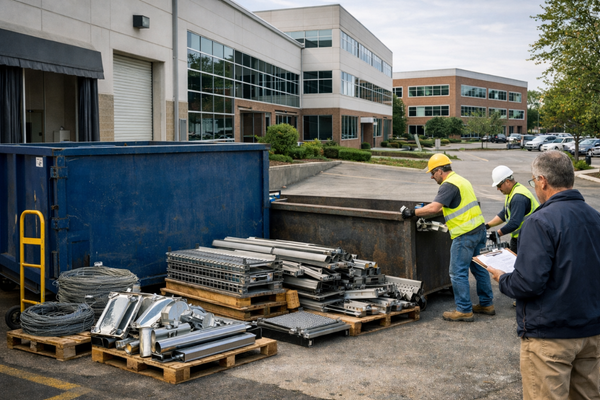
At most business parks and multi-tenant properties, scrap metal does not build up in one neat stream. It comes from tenant move-outs, maintenance work, fixture replacements, warehouse cleanouts, office renovations, and routine operations. That is why property managers usually get better results when scrap metal recycling is managed as an ongoing site function rather than...Continue Reading
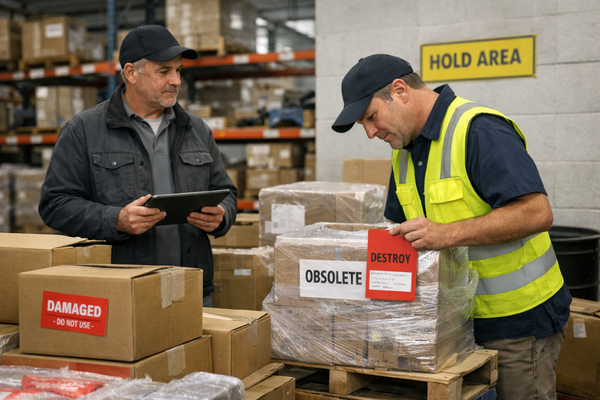
When off-spec material shows up once in a while, most facilities can manage it without much strain. When it starts showing up every week, it becomes something else. At that point, the issue is not just disposal. It is process control. In practical terms, off-spec material is any product, package, component, or printed item that...Continue Reading
The Problem With Mixed Scrap Loads People dropping off scrap often ask the same question: Is it worth cleaning and separating scrap metal before recycling? In most cases, the answer is ‘yes.’ Knowing how to clean and separate scrap metal can make a noticeable difference in the value of a load. When different metals are...Continue Reading
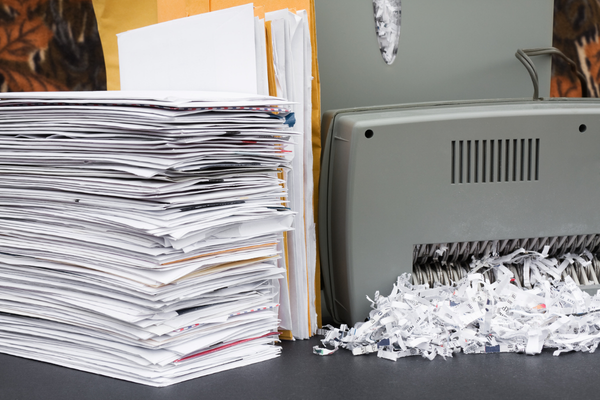
Most offices accumulate confidential paperwork throughout the year. Accounting firms, law offices, and corporate administrative departments often store financial records, client files, and internal documents until those materials reach the end of their retention period. When it is time to dispose of those records—often after tax season—many organizations initially turn to internal shredders. However, professional...Continue Reading
Scrap Value Is a Jobsite Reality For HVAC technicians, plumbers, and electricians across Massachusetts, scrap metal comes off jobs every week. Equipment replacements, tenant fit-outs, service upgrades, and code-driven retrofits all generate metal that has resale value if it’s handled correctly. When it isn’t, that same material ends up mixed, downgraded, or discarded with general...Continue Reading
The Operational Challenge Stretch wrap and plastic film move through warehouses and manufacturing plants every shift. They arrive on inbound pallets, secure outbound loads, and accumulate quickly on the dock. When LDPE film is treated as trash, it drives up disposal costs, clogs compactor capacity, and creates avoidable inefficiencies—especially in high-volume Massachusetts facilities. This LDPE...Continue Reading
This article was originally published in February, 2019 and has been updated per 2026 recycling standards. Plastic waste management in commercial and industrial settings continues to be a point of friction—especially when it comes to interpreting recycling symbols. Most packaging includes the familiar triangle with a number inside, but that doesn’t mean it’s recyclable in...Continue Reading
What Impacts Scrap Metal Prices in Massachusetts? Scrap metal prices in Massachusetts fluctuate regularly—copper and aluminum may shift slightly day to day, while steel prices tend to follow weekly trends. Even small changes can add up over larger loads, so it’s worth checking current rates before you drop off. Several things affect how much you’ll...Continue Reading