

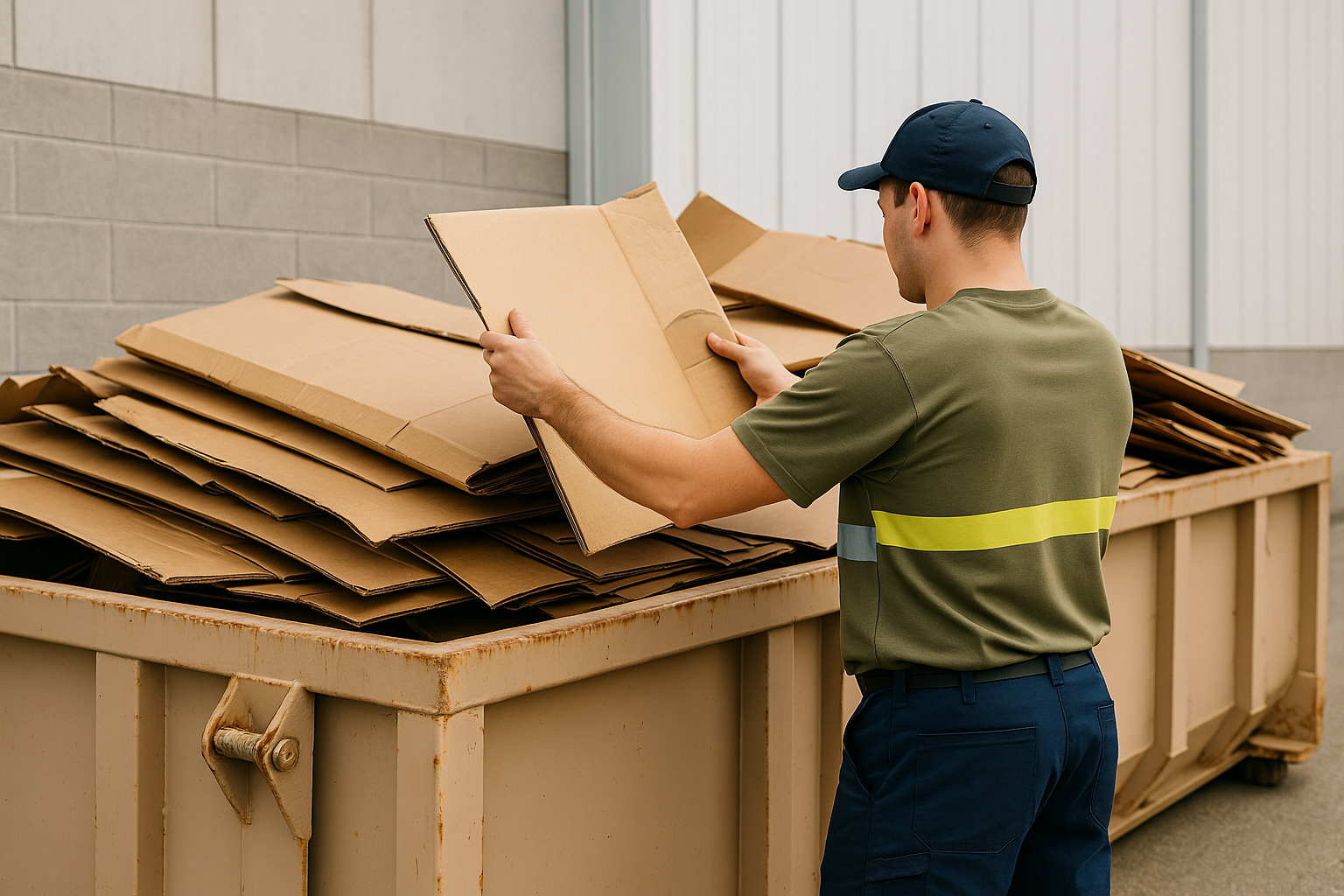
If your organization generates high volumes of waste—whether through construction, manufacturing, facility maintenance, or routine clean-outs—managing that waste efficiently is critical. A roll-off container recycling program offers a scalable, cost-effective solution tailored for commercial and industrial operations. These programs streamline waste collection, reduce labor demands, and improve recycling outcomes, all while helping your business meet regulatory and sustainability goals.
Here are some of the key benefits of roll-off container recycling for businesses in Massachusetts and beyond, providing practical insights for operations managers, facility directors, and sustainability officers.
Streamlined Waste Sorting and On-Site Recycling
Roll-off containers allow for on-site sorting of recyclable and non-recyclable materials. Rather than piling everything into one dumpster, companies can designate containers for specific waste streams—metals, plastics, wood, cardboard, and general waste. This approach:
- Reduces contamination in recyclables
- Enhances the resale value of materials like scrap metal or cardboard
- Makes it easier to meet local and state recycling mandates
By placing clearly labeled roll-off containers in strategic locations, businesses can improve employee compliance and reduce the time spent transporting waste to central collection areas.
Cost Control and Operational Efficiency
A well-managed roll-off recycling program can significantly lower operational costs. Here’s how:
- Fewer pickups mean lower transportation costs. Large roll-off containers reduce the frequency of hauls, cutting down on fuel and labor expenses.
- Fixed pricing and rental agreements make budgeting easier. Companies can avoid unpredictable expenses tied to weight-based disposal or last-minute service calls.
- Reduced labor for in-house waste handling. With roll-off containers on site, employees spend less time sorting, moving, and disposing of materials.
Additionally, businesses can generate revenue by selling sorted recyclable materials. When waste is properly segregated, materials like metals and OCC (old corrugated containers) command higher prices on the recycling market.
Improved Site Safety and Compliance
Keeping workspaces clean and organized is a fundamental part of workplace safety. Roll-off containers contribute by:
- Eliminating loose piles of debris that pose trip and fire hazards
- Providing a central, contained location for waste accumulation
- Reducing risks associated with overfilled dumpsters and blocked access points
Partnering with a certified recycling provider ensures your waste is handled in compliance with Massachusetts Department of Environmental Protection (MassDEP) regulations. This includes proper documentation, disposal of restricted items, and adherence to recycling mandates that affect commercial facilities.
Sustainability and ESG Impact
More companies are incorporating environmental, social, and governance (ESG) goals into their business strategies. Roll-off container recycling plays a key role in reducing landfill dependency and lowering your facility’s carbon footprint. Benefits include:
- Improved diversion rates from landfill
- Better tracking of recycling volumes and materials recovered
- Enhanced brand reputation among environmentally conscious clients, employees, and investors
By adopting a recycling-first approach, businesses can demonstrate environmental leadership and fulfill corporate sustainability commitments.
Time Savings and Operational Flexibility
Time is money—especially in logistics-heavy industries like manufacturing, warehousing, and construction. Roll-off containers improve time management by:
- Offering scheduled or on-demand service based on your production cycle or project timeline
- Minimizing internal transport of materials by placing containers at key workflow points
- Reducing downtime caused by waste pileups or service delays
This flexibility enables businesses to scale their waste management efforts based on demand, seasonal operations, or one-time projects.
Best Practices for a Successful Roll-Off Program
To maximize the benefits of a roll-off container recycling program, follow these best practices:
- Choose the right size containers. Typical sizes range from 10 to 40 cubic yards. Larger facilities may need multiple units.
- Label containers clearly. Use visual cues and signage to help employees sort correctly.
- Train your staff. Conduct regular training on what goes in each container and why proper sorting matters.
- Schedule pickups in advance. Avoid overflow and service interruptions with a proactive schedule.
- Work with an experienced provider. Partner with a recycling company that understands commercial needs and regulatory requirements.
In Conclusion
A roll-off container recycling program provides businesses with a powerful tool for managing waste efficiently, lowering costs, staying compliant, and advancing sustainability goals. From streamlined operations to measurable ESG performance, the advantages are clear.
If you’re ready to implement or improve a roll-off container recycling solution, WM Mansfield Recycling can help. We offer customized programs that meet the unique needs of your facility or project site. Contact us today to schedule a consultation and take the first step toward smarter, more sustainable waste management.
Additional Reading: