

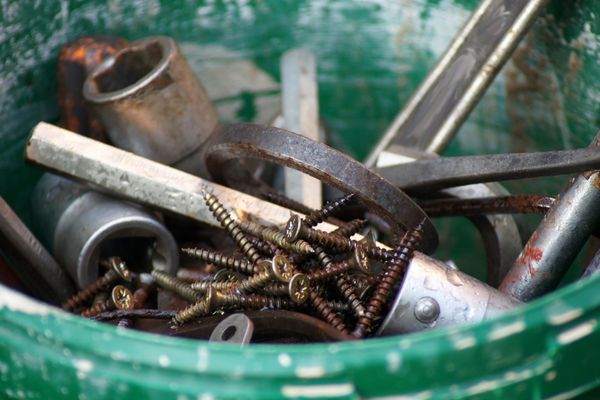
The Problem With Mixed Scrap Loads
People dropping off scrap often ask the same question: Is it worth cleaning and separating scrap metal before recycling?
In most cases, the answer is ‘yes.’ Knowing how to clean and separate scrap metal can make a noticeable difference in the value of a load. When different metals are mixed together, the material must be sorted before it can be processed. That additional work usually lowers the price the yard can offer.
Homeowners cleaning out a garage, contractors wrapping up a project, and facility managers removing old equipment often arrive with mixed scrap. That’s common—but a small amount of preparation can help maximize scrap metal value and make the drop-off process smoother.
For customers bringing scrap to recycling yards in Massachusetts, preparation steps like sorting metals and removing attachments can affect grading and pricing.
How to clean and separate scrap metal:
Cleaning and separating scrap metal means removing non-metal attachments, sorting metals by type such as steel, aluminum, copper, and brass, and keeping materials reasonably free of dirt or debris before bringing them to a recycling yard. This preparation allows recyclers to grade the metal correctly and typically increases the value of the scrap.
If you’re new to the process, How to Get the Best Scrap Metal Prices in Massachusetts: A 2026 Guide explains how scrap recycling works and what materials are typically accepted.
Why Cleaning and Separating Scrap Metal Affects Value
Scrap metal is priced based on type, grade, and contamination. When materials arrive already sorted, they can usually go straight into the appropriate recycling stream.
When everything is mixed together, the yard has to sort it first.
Basic scrap metal preparation tips improve the value of a load because clean, separated metal:
- Requires less sorting time
- Can be graded more accurately
- Meets processing requirements more easily
For example, copper wire separated from steel brackets and insulation will typically be priced differently than the same wire mixed with other materials.
Anyone who regularly brings scrap to a yard—whether a homeowner, contractor, or facility—can benefit from learning how to clean and separate scrap metal before arrival.
Start With the Basics: Ferrous vs. Non-Ferrous Metals
The first step in learning how to clean and separate scrap metal is understanding the difference between ferrous and non-ferrous metals.
Ferrous metals contain iron and are magnetic. Common examples include structural steel, cast iron, appliances, and steel framing.
Non-ferrous metals do not contain iron and generally carry higher scrap value. These include copper, aluminum, brass, and stainless steel.
A magnet is the easiest way to separate them. If the magnet sticks, the metal is ferrous. If it does not, it is likely non-ferrous.
Separating these two categories before arriving at the yard is one of the simplest ways to separate scrap metal types effectively.
Our article explaining the Difference Between Ferrous and Non-Ferrous Metals goes deeper into how recyclers classify these materials.
How to Clean and Separate Scrap Metal Before Recycling in 4 Steps
Once you understand metal categories, you are ready to clean and separate scrap metal.
1. Remove Non-Metal Attachments
Many scrap items include materials that cannot be recycled with metal.
Common examples include plastic, rubber, wood, or insulation attached to metal components. These materials lower scrap value because they must be removed during processing.
Typical examples include:
- Plastic fittings on copper pipe
- Rubber hoses attached to equipment
- Wood attached to metal fixtures
Removing these materials helps prepare scrap metal for recycling and improves grading accuracy.
2. Separate Different Metal Types
Different non-ferrous metals are graded separately. Aluminum, copper, brass, and stainless steel should not be mixed together.
Sorting materials into basic categories helps maximize scrap metal value and reduces sorting time at the yard.
Contractors and facility teams often keep small containers for:
- Copper wire and pipe
- Aluminum siding or extrusion
- Brass valves and fittings
- Steel hardware and brackets
This step is one of the most practical scrap metal preparation tips for anyone bringing in regular scrap loads.
3. Keep Scrap Clean
Scrap does not need to be spotless, but it should not be heavily contaminated. Dirt, liquids, and debris can affect grading and slow down processing.
Before bringing material to the yard:
- Shake off loose dirt
- Drain liquids from tanks or containers
- Keep scrap separate from trash or demolition debris
Clean material helps recyclers evaluate the load quickly.
4. Organize Loose Material
Loose scrap—especially wire or small metal pieces—can be difficult to handle.
Grouping materials together makes unloading easier and keeps different metals from mixing again during transport.
Common approaches include:
- Buckets for copper or brass
- Pallets for larger steel pieces
- Bins for aluminum or mixed light metal
Facilities that generate scrap regularly often organize containers so employees can separate scrap metal types as material is removed.
If your operation produces scrap metal consistently, our scrap metal services can help set up ongoing recycling options.
Example: Preparing Scrap From a Renovation Project
Consider a typical renovation cleanup.
The scrap pile might include copper pipe, brass valves, aluminum flashing, steel brackets, and electrical wire. If all of it is placed into one container, the material may be priced as mixed scrap.
If those materials are separated—copper with copper, aluminum with aluminum, steel with steel—the yard can grade each metal correctly. That usually results in better pricing for the same material.
This is why contractors often follow a few simple steps to prepare scrap metal for recycling before loading it for transport.
FAQ: Is It Worth Cleaning and Separating Scrap Metal?
Yes, in most situations.
Cleaning and separating materials makes it easier for recyclers to grade the metal accurately. That typically leads to better pricing and faster processing.
Learning how to clean and separate scrap metal does not require special equipment. In most cases, removing obvious attachments and separating metals into basic categories is enough to improve the value of a load.
A Simple Way to Improve Scrap Value When You Know How to Clean and Separate Scrap Metal
The preparation steps are simple and usually take only a few minutes before loading the material.
Whether you are cleaning out a property, finishing a construction project, or removing outdated equipment from a facility, the process usually looks like this:
- Separate ferrous and non-ferrous metals
- Sort different metal types into separate containers
- Remove plastic, rubber, or wood attachments
- Keep scrap reasonably clean and organized
These steps help recyclers process the material efficiently and help you maximize scrap metal value.
Getting the Most From Your Scrap
At WM Mansfield Recycling, we work with homeowners, contractors, and facilities across Massachusetts that bring in scrap metal from projects, equipment upgrades, and cleanouts.
If you’re unsure how to clean and separate scrap metal or want guidance before bringing in a load, contact us. Our team can help identify materials, explain grading, and make sure your scrap is prepared so you receive the best possible value.