

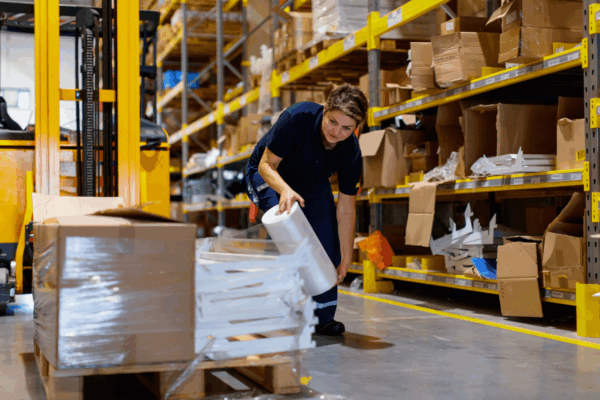
Warehouses and logistics centers generate significant volumes of low-density polyethylene (LDPE) film. This lightweight, flexible plastic—commonly used in shrink wrap, pallet wrap, and packaging film—quickly accumulates in receiving and shipping areas. If not managed effectively, LDPE film can clog waste streams, increase disposal costs, and create safety hazards on the floor. Facility managers are under pressure to find cost-effective, compliant, and operationally sound ways to manage this material.
Why LDPE Recycling Matters
LDPE recycling offers both financial and operational benefits. By separating LDPE film from general trash, facilities reduce their waste hauling volume and avoid paying landfill tipping fees. Properly baled LDPE can also generate revenue through recycling markets, providing a measurable return on materials that would otherwise go to waste.
Operationally, a structured LDPE recycling program also improves safety and efficiency. Stray plastic film on floors can cause slips or get caught in equipment. A clean, organized workflow reduces these risks and helps employees move product more efficiently.
Learn more about LDPE recycling services.
Steps for Managing LDPE Film in High-Volume Facilities
1. Identify Collection Points
LDPE film should be collected at the point of generation. In a logistics center, that often means receiving docks, pallet unwrapping areas, and shipping preparation zones. Placing dedicated containers in these areas minimizes contamination and keeps LDPE out of the trash stream.
2. Train Staff on Material Separation
Employee participation makes or breaks an LDPE recycling program. Clear signage and hands-on training help staff distinguish LDPE film from other plastics and contaminants like strapping, tape, or food packaging. Establishing a straightforward routine ensures consistent results.
3. Invest in the Right Equipment
For facilities generating large volumes of LDPE, baling equipment is essential. Balers compress LDPE film into dense, stackable bales that can be transported cost-effectively to recyclers. There are many options for on-site equipment rentals.
4. Schedule Regular Pickups
Partnering with a recycling provider ensures consistent material flow. Regular pickups prevent backlogs and keep floor space clear. For many facilities, weekly or bi-weekly schedules strike the right balance between storage efficiency and operational flexibility.
5. Monitor and Adjust Program Performance
Recycling programs work best when measured. Track metrics such as bale weights, collection frequency, and contamination rates. Over time, these insights can guide improvements—whether that means adjusting container placement, retraining staff, or expanding program scope.
Compliance and Sustainability Considerations
Massachusetts has strict recycling and waste bans that apply directly to commercial facilities. LDPE film is not banned, but reducing overall waste volume helps businesses stay in compliance with disposal regulations and positions facilities as responsible community partners. (Learn more about Massachusetts recycling laws.)
Beyond compliance, recycling LDPE aligns with corporate sustainability initiatives. Many companies now report on waste diversion and recycling performance as part of their ESG reporting. A well-run LDPE recycling program provides tangible, measurable results for these metrics.
Getting Started
Launching an LDPE recycling program doesn’t need to be overwhelming. Start small by targeting your highest-volume film areas, then expand collection once staff routines are established. Partner with a trusted recycler who can provide pickup services, baling solutions, and program guidance.
In Conclusion
At WM Mansfield Recycling, we help warehouses and logistics centers across Massachusetts improve LDPE film management with tailored solutions. Whether you’re looking for baler equipment, pickup services, or compliance support, we provide operationally practical programs that reduce costs and keep facilities running smoothly.
Contact us today to discuss a customized LDPE recycling program for your facility.