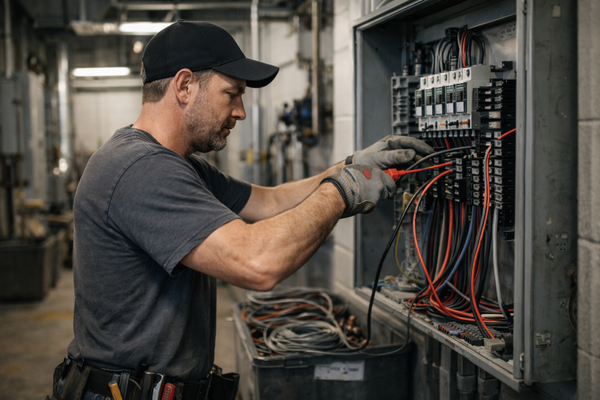
Scrap Value Is a Jobsite Reality For HVAC technicians, plumbers, and electricians across Massachusetts, scrap metal comes off jobs every week. Equipment replacements, tenant fit-outs, service upgrades, and code-driven retrofits all generate metal that has resale value if it’s handled correctly. When it isn’t, that same material ends up mixed, downgraded, or discarded with general...Continue Reading
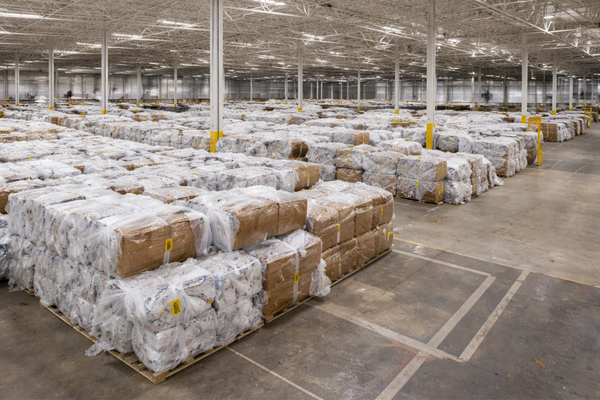
The Operational Challenge Stretch wrap and plastic film move through warehouses and manufacturing plants every shift. They arrive on inbound pallets, secure outbound loads, and accumulate quickly on the dock. When LDPE film is treated as trash, it drives up disposal costs, clogs compactor capacity, and creates avoidable inefficiencies—especially in high-volume Massachusetts facilities. This LDPE...Continue Reading
This article was originally published in February, 2019 and has been updated per 2026 recycling standards. Plastic waste management in commercial and industrial settings continues to be a point of friction—especially when it comes to interpreting recycling symbols. Most packaging includes the familiar triangle with a number inside, but that doesn’t mean it’s recyclable in...Continue Reading
What Impacts Scrap Metal Prices in Massachusetts? Scrap metal prices in Massachusetts fluctuate regularly—copper and aluminum may shift slightly day to day, while steel prices tend to follow weekly trends. Even small changes can add up over larger loads, so it’s worth checking current rates before you drop off. Several things affect how much you’ll...Continue Reading
This was originally released by WM on November 12, 2025 at 9:00 AM EST To learn more, view our flier: Cup Recycling Details and FAQ Plastic and Paper Cups from Companies Nationwide Now Accepted in More Local Recycling Programs HOUSTON, Nov. 12, 2025 /PRNewswire/ — WM (NYSE: WM), North America’s leading environmental solutions provider and largest recycler, has added plastic...Continue Reading
The challenge: planning a recycling budget when costs keep moving As you build next year’s budget, recycling is competing with labor, maintenance, safety, and production upgrades. At the same time, disposal fees, processing charges, and compliance requirements in Massachusetts keep shifting. Recycling budget planning is about turning all of that into a clear, reasonable plan....Continue Reading
Why Facilities Should Prepare Scrap Metal for Recycling Preparing scrap metal for recycling means cleaning, sorting, and staging nonferrous metals, such as copper, aluminum, brass, and stainless steel, so they are accepted at recycling facilities without delay or deduction. For warehouses and manufacturing plants conducting year-end cleanouts, this process helps recover maximum value and avoids...Continue Reading
Hidden Value in Everyday Metal Waste For many facilities, scrap collection is treated as an afterthought—something handled at the end of a shift or during cleanup. But buried within mixed loads of industrial waste are nonferrous materials like copper, aluminum, and brass that hold significant market value. When these metals are managed separately at your...Continue Reading
The Challenge For facility and operations managers, year-end means more than just closing the books. It’s the only time all departments take a hard look at what worked, what fell short, and where operational waste, both literal and financial, can be reduced. Unfortunately, recycling performance often gets minimal attention or is tracked inconsistently. Without a...Continue Reading
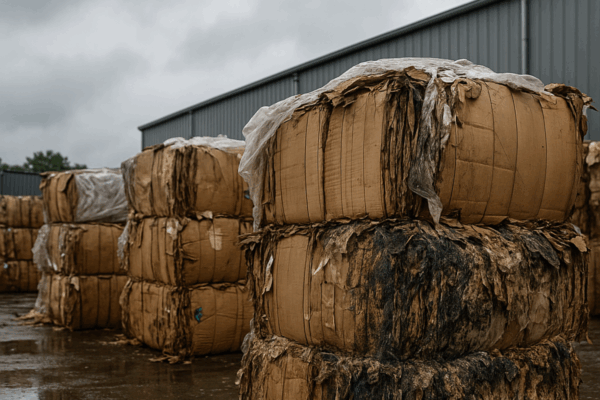
A Misstep That Costs Real Money Even when materials are sorted correctly upstream, too many Massachusetts facilities are losing revenue at the baler. The problem? Contaminants that slip through unnoticed, degrade the value of entire loads, or lead to rejected bales. Commercial recycling contamination isn’t just a quality control issue—it’s a hidden cost driver. If...Continue Reading