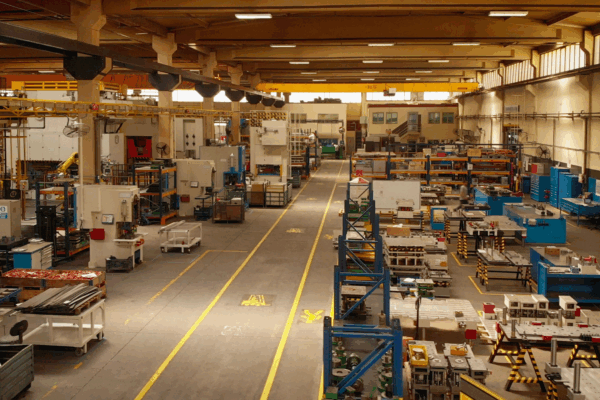
Every production cycle generates waste—scrap metal, offcuts, used fluids, and discarded packaging. Without a plan, these materials become a costly burden. With a structured approach, they can become a source of savings and operational efficiency. Effective manufacturing plant recycling starts with understanding how and where waste is generated inside your facility. A process-aligned strategy ensures...Continue Reading
Noncompliance with Massachusetts recycling bans can lead to rejected waste loads, costly handling fees, and significant enforcement actions—burdening businesses with legal risks and higher disposal costs while undermining environmental performance. The Challenge In Massachusetts, the Department of Environmental Protection (MassDEP) enforces a set of waste disposal prohibitions codified in 310 CMR 19.000, which apply to...Continue Reading
Warehouses and logistics centers generate significant volumes of low-density polyethylene (LDPE) film. This lightweight, flexible plastic—commonly used in shrink wrap, pallet wrap, and packaging film—quickly accumulates in receiving and shipping areas. If not managed effectively, LDPE film can clog waste streams, increase disposal costs, and create safety hazards on the floor. Facility managers are under...Continue Reading
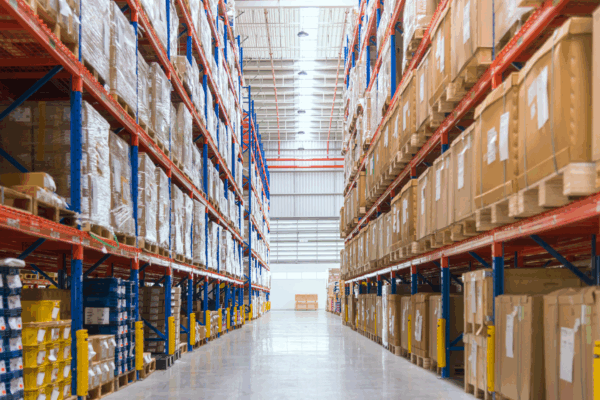
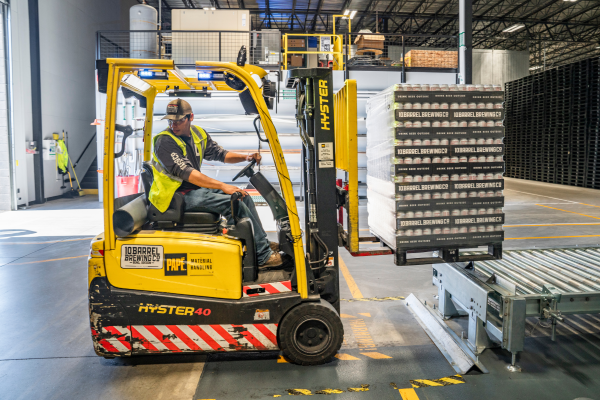
Warehouses and logistics hubs are under mounting pressure to manage plastic packaging waste more efficiently. With the sheer volume of shrink wrap, pallet film, plastic strapping, and protective packaging flowing through high-volume facilities every day, disposal isn’t just a sustainability concern—it’s a logistical and financial one. Without a clear strategy for plastic packaging recycling, this...Continue Reading
From outdated servers and spent lithium batteries to broken monitors and obsolete circuit boards, electronic waste is piling up fast—and so are the challenges for Massachusetts facilities trying to manage it responsibly. As pressure mounts from environmental regulations, material shortages, and ESG goals, forward-thinking organizations are looking beyond traditional disposal methods. Today’s e-waste recycling innovations...Continue Reading
As operational costs rise and sustainability targets grow more ambitious, industrial facilities are looking for every opportunity to cut waste and capture value. One often-overlooked area? Scrap metal. From manufacturing floors to warehouse maintenance operations, scrap metal waste can be transformed into revenue —if it’s handled properly. Understanding how to maximize scrap metal recycling value...Continue Reading
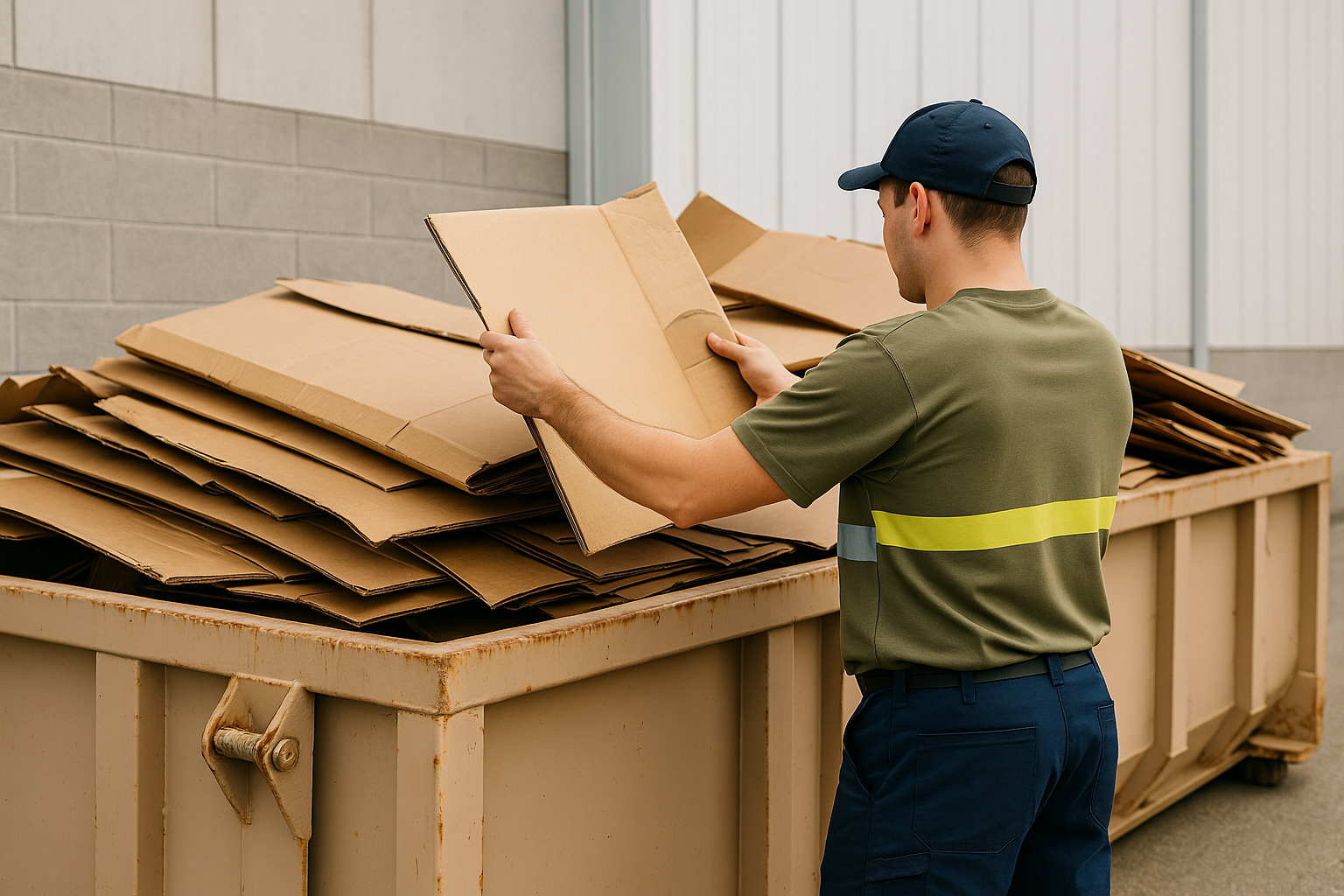
If your organization generates high volumes of waste—whether through construction, manufacturing, facility maintenance, or routine clean-outs—managing that waste efficiently is critical. A roll-off container recycling program offers a scalable, cost-effective solution tailored for commercial and industrial operations. These programs streamline waste collection, reduce labor demands, and improve recycling outcomes, all while helping your business meet...Continue Reading
Managing recycling programs across multiple sites can be challenging, especially when each facility has different waste streams, training needs, and operational procedures. Implementing a cohesive, efficient multi-location recycling program is essential to maintain compliance, reduce costs, and support sustainability goals. By creating a uniform approach, organizations can simplify their waste management efforts and reduce confusion...Continue Reading
Complying with Massachusetts recycling regulations is essential for businesses that want to avoid costly fines, maintain smooth operations, and streamline their waste management practices. This comprehensive checklist is designed to guide your organization through Massachusetts recycling compliance, helping you navigate regulations efficiently and keep your business running without disruption. Understand Massachusetts Waste Bans Massachusetts enforces...Continue Reading
Municipalities across Massachusetts face increasing pressure to modernize their recycling programs—driven by regulatory compliance, budget constraints, and a growing focus on sustainability. Yet many towns and cities continue to encounter common roadblocks that limit program efficiency and reliability. These municipal recycling challenges require operational solutions rooted in planning, oversight, and vendor coordination—not just public education....Continue Reading