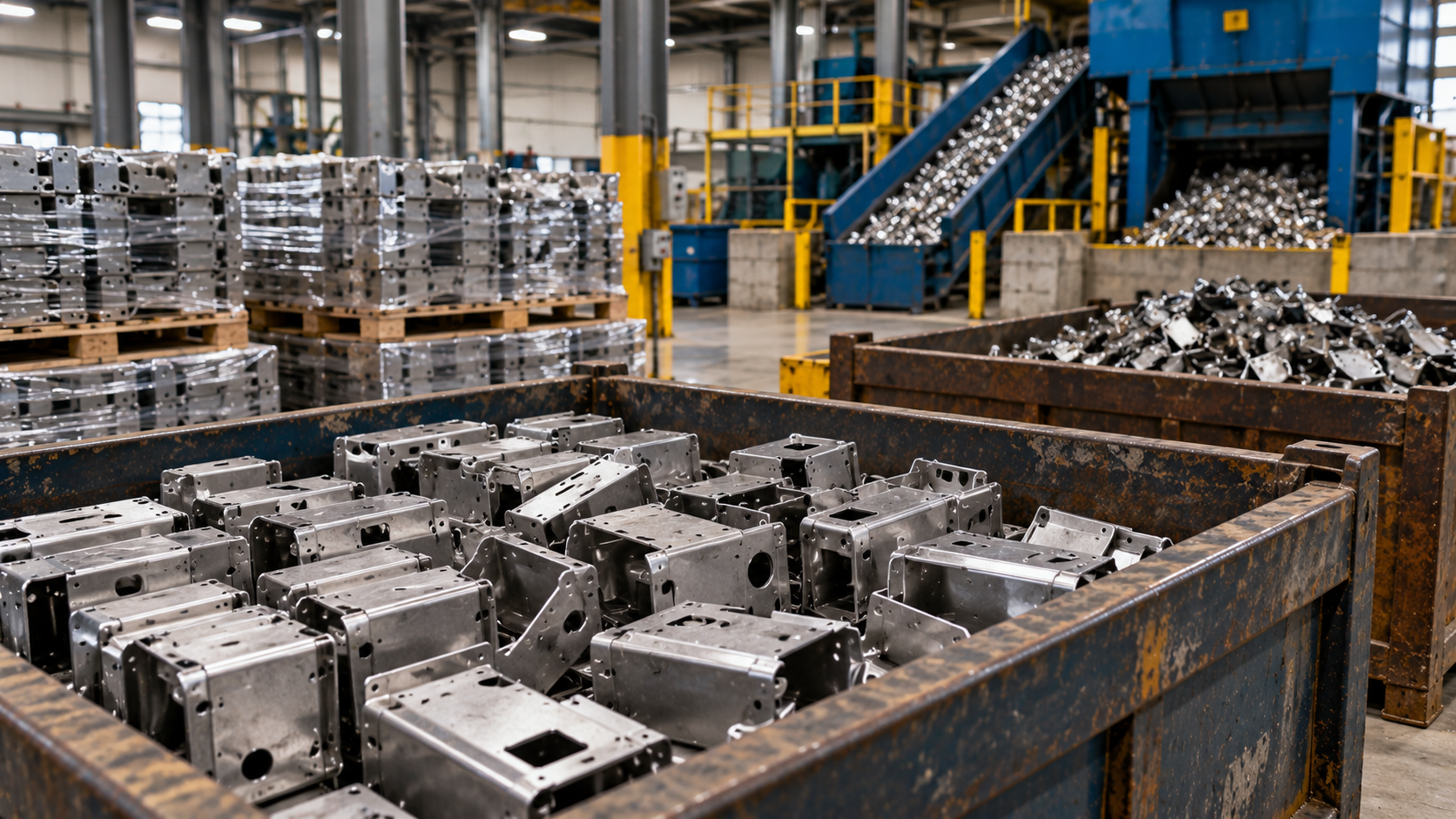
Manufacturers regularly end up with metal products that cannot be sold or shipped. A production run fails inspection. Parts are made to an outdated specification. Finished goods are damaged, recalled, obsolete, or otherwise unsuitable for their intended use. In these cases, metal product destruction for manufacturers requires more control than putting rejected inventory into a...Continue Reading
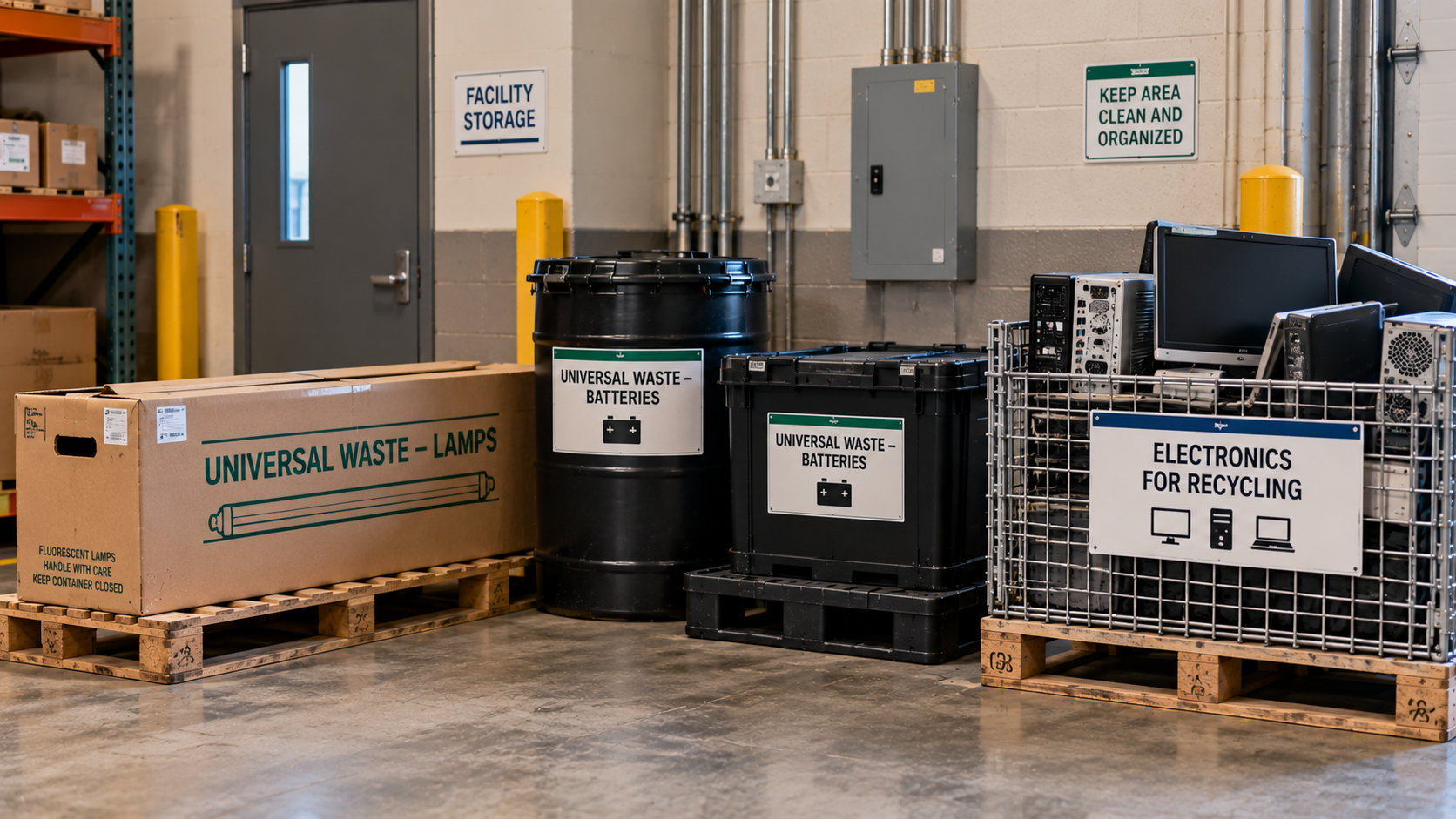
For facility managers and EHS teams, universal waste rules for batteries, lights and e waste affect routine work across several departments. Maintenance replaces fluorescent tubes. IT retires computers and monitors. Operations staff collect spent batteries from equipment. In a school district, hospital, municipal department, warehouse, or manufacturing plant, these materials can accumulate in several places...Continue Reading
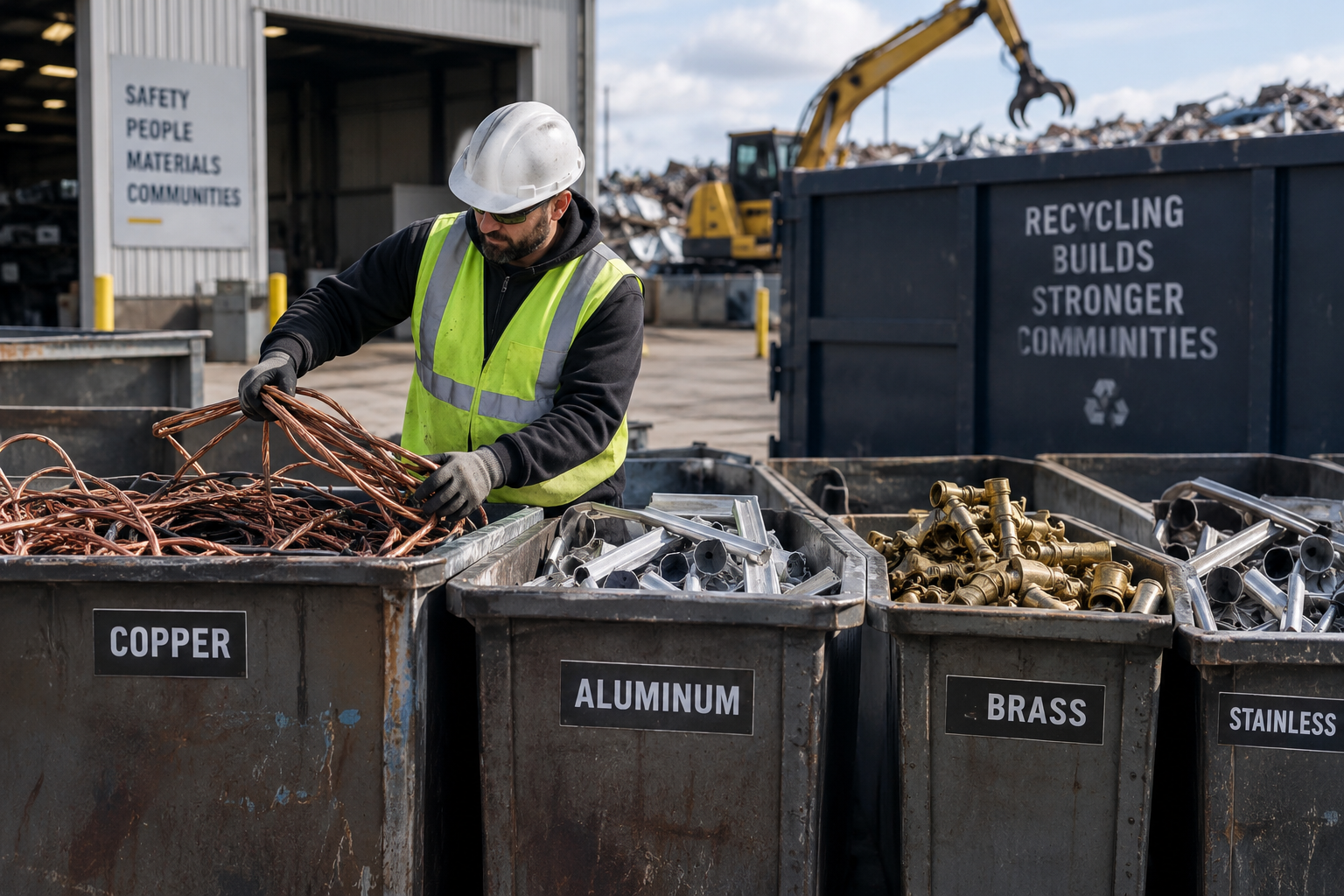
Mixed metal loads are common at manufacturing plants, warehouses, maintenance operations, construction sites, and other commercial facilities. Steel may be mixed with aluminum, stainless steel, copper wire, brass fittings, motors, or equipment removed during a cleanout. How those materials are handled before they reach the scrap yard can affect what the load is worth. To...Continue Reading
Inventory does not always leave a warehouse through a customer shipment. Products become obsolete after packaging or specification changes. Finished goods get damaged in storage. Quality control may reject a production run. Customer-specific inventory can remain after an order or program ends. Once those goods cannot be shipped, sold, returned, or reused, off-spec inventory disposal...Continue Reading
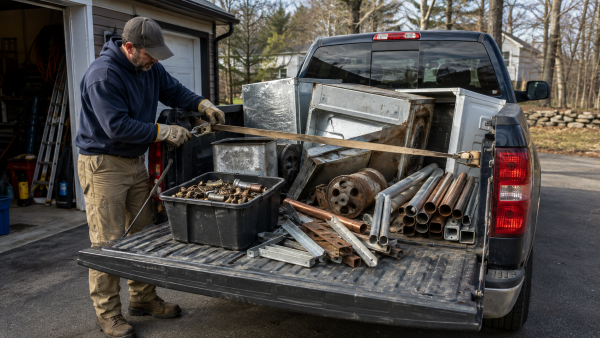
When a homeowner cleans out a garage, replaces old equipment, or finishes a small renovation project, scrap metal often becomes part of the cleanup. Small contractors face a similar challenge after repair work, demolition, and installation projects: how to organize leftover metal materials before bringing them to a recycling yard. Knowing how to prepare scrap...Continue Reading
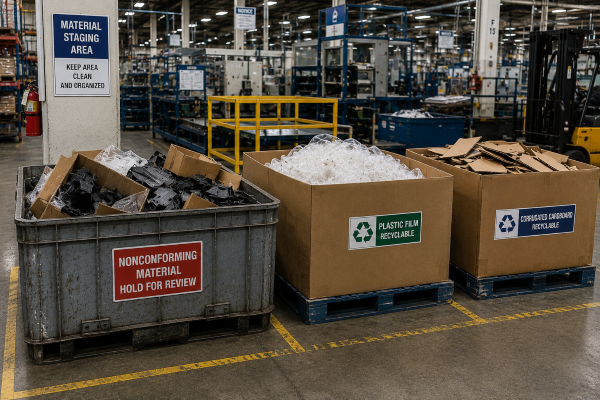
Why Off-Spec Material Segregation Matters in Manufacturing Off-spec material segregation prevents rejected or nonconforming materials from being mixed with standard waste and recycling streams. It relies on clear containers, labeling procedures, and ownership responsibilities to keep materials controlled from the point of rejection through final disposition. Proper segregation matters because off-spec materials are not simply...Continue Reading
The Challenge: Choosing the Right Path for Nonconforming Materials Rejected, obsolete, damaged, or noncompliant materials can sit in a facility longer than they should because no one is fully sure how they should leave the building. For many Massachusetts businesses, the decision comes down to off-spec material destruction vs disposal. Disposal may be enough for...Continue Reading
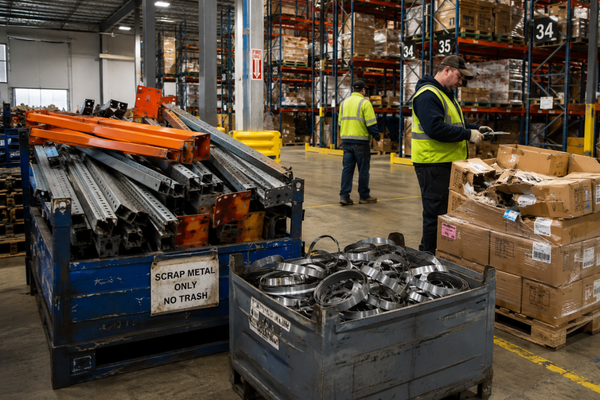
Most warehouses generate scrap metal as part of normal operations. Damaged pallet racking, bent guard rails, broken carts, steel strapping, obsolete fixtures, and unsellable product all have to go somewhere. Without a clear process, those materials often sit near dock doors, maintenance areas, trailers, or the back of the building until space becomes a problem....Continue Reading
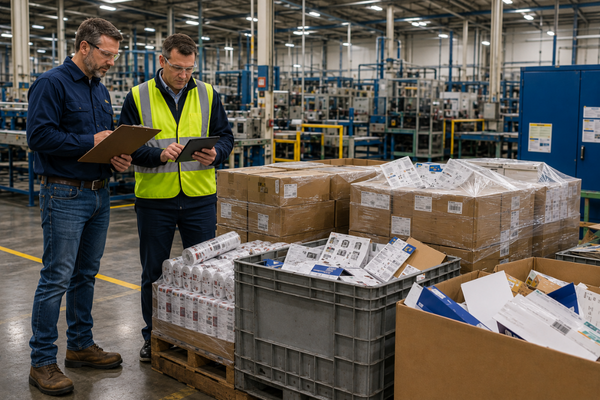
Off-spec material destruction programs need more structure than a disposal request or an extra pickup. In a warehouse, manufacturing plant, distribution center, or municipal facility, rejected material can move quickly when the process is unclear. A mislabeled pallet may be mistaken for usable inventory. Branded packaging may end up in the wrong recycling stream. Confidential...Continue Reading
Scrap metal builds up quickly on commercial jobsites. Demolition crews pull out ductwork, railings, fixtures, and framing. Electricians generate conduit and wire. Plumbers and mechanical contractors remove pipe, valves, rooftop units, and equipment. Without clear jobsite scrap metal recycling best practices, that material can end up in the wrong container, mixed with trash, stacked in...Continue Reading